The Hands Behind TRR

Woven by Hands. Made to Last.

Behind every TRR piece is a community of skilled hands, generations of craftsmanship, and a livelihood built around the making of beautiful things.

The Human Hand

Before It Becomes a Rug, It Begins With a Hand.

Every rug, cushion and throw begins long before it reaches a showroom or a customer's home.

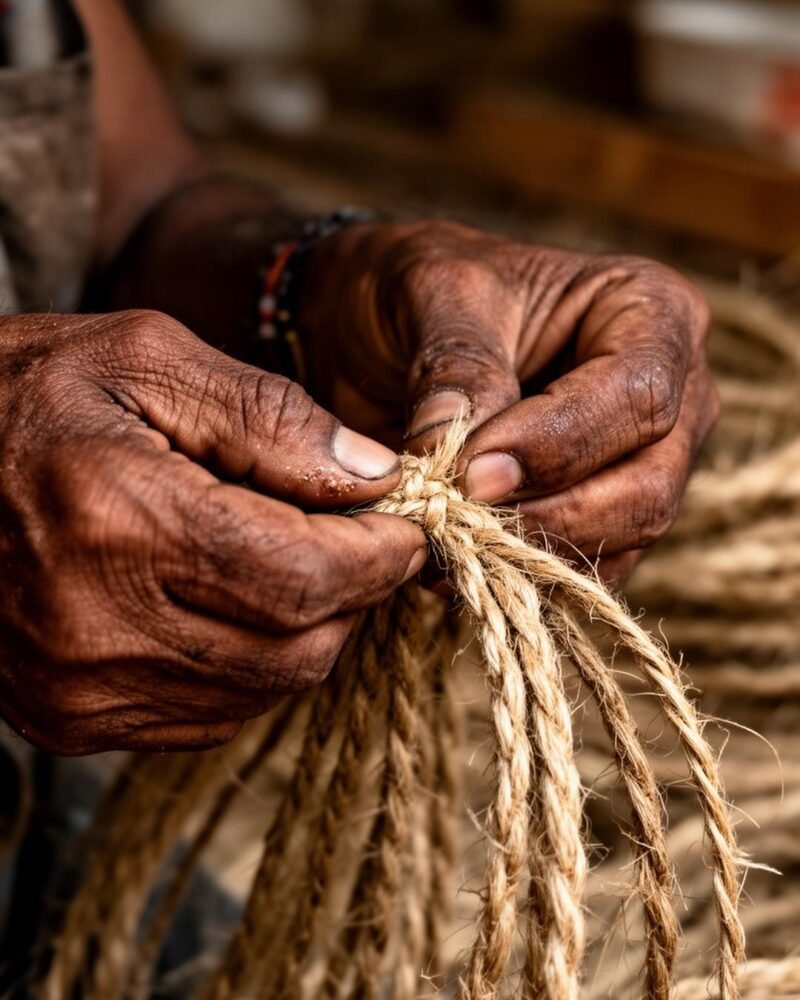
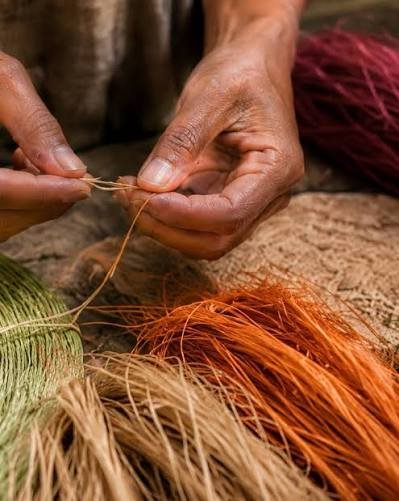
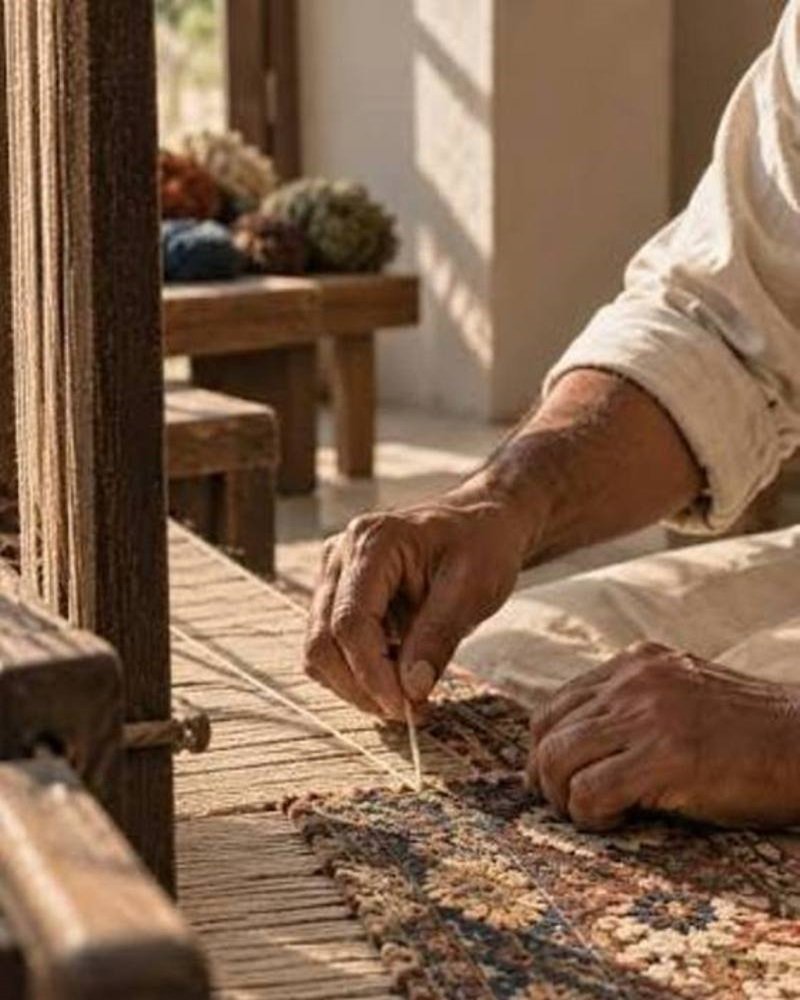
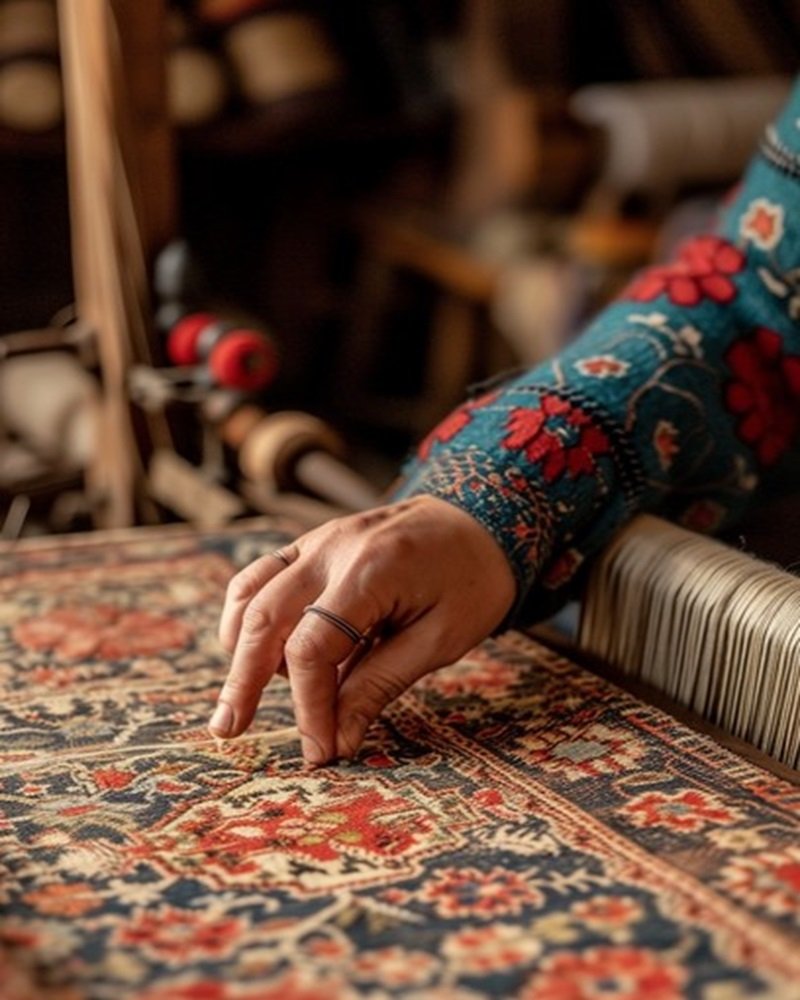
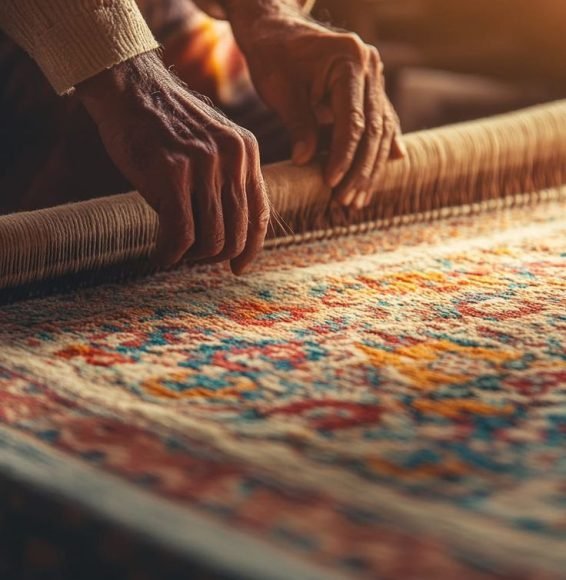
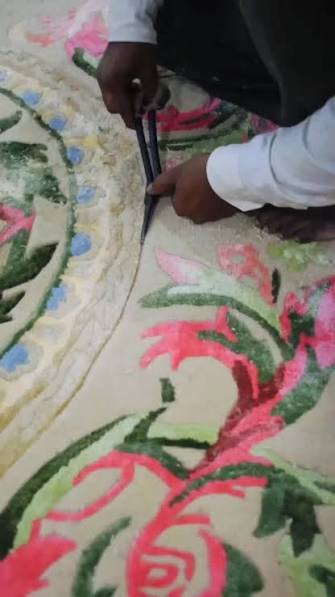
Threads are prepared. Fibres are handled. Yarns are spun. Patterns are woven. Edges are finished.

And every stage depends on skilled human hands.

At The Rich Rug, we believe that handmade should mean exactly that — made by people who have developed their craft through experience, patience and practice.

From Fibre to Finished Piece

The craft is a sequence of skilled decisions.

01    Fibre

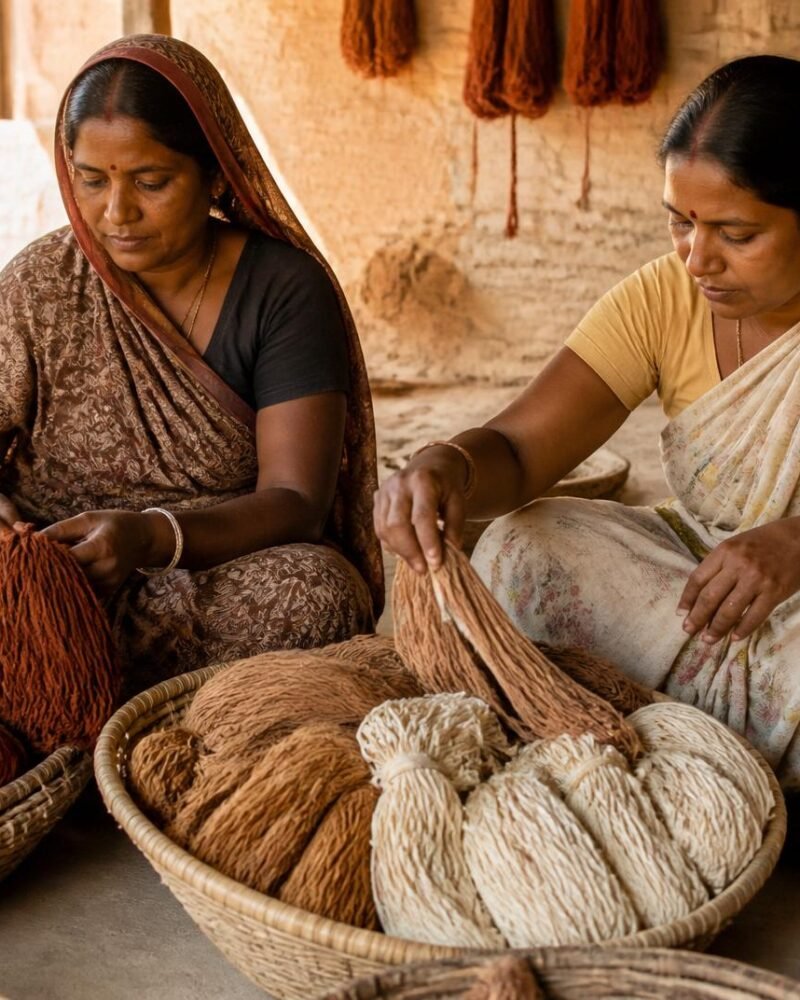
Natural materials begin the journey.

02     Spinning

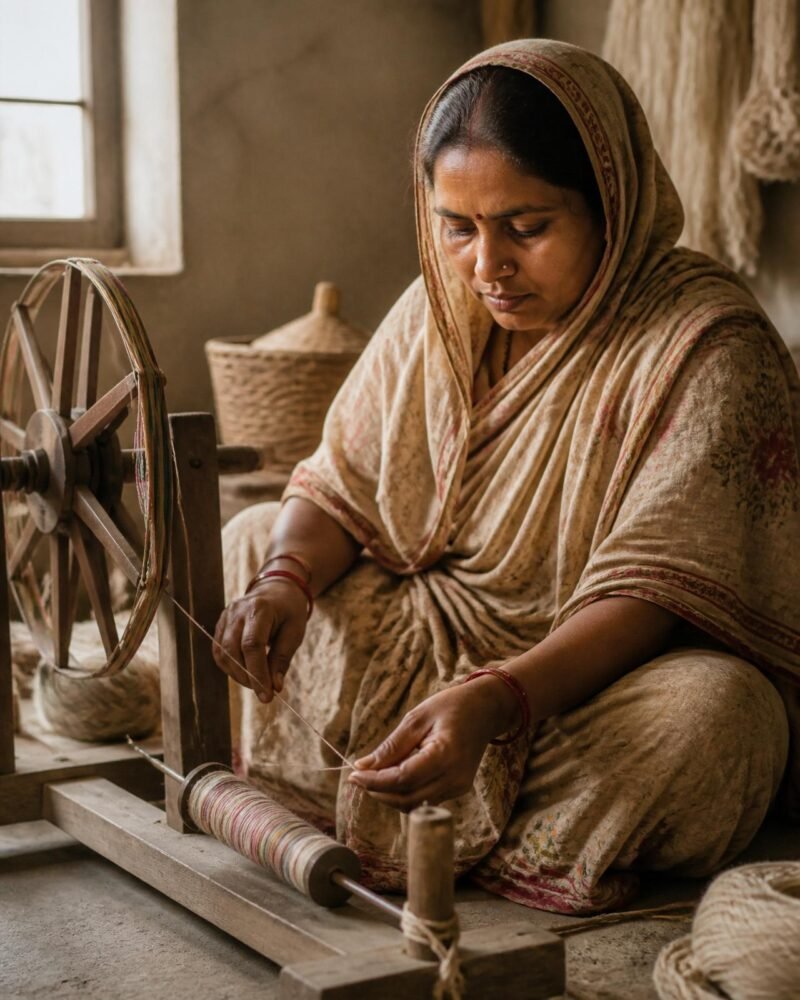
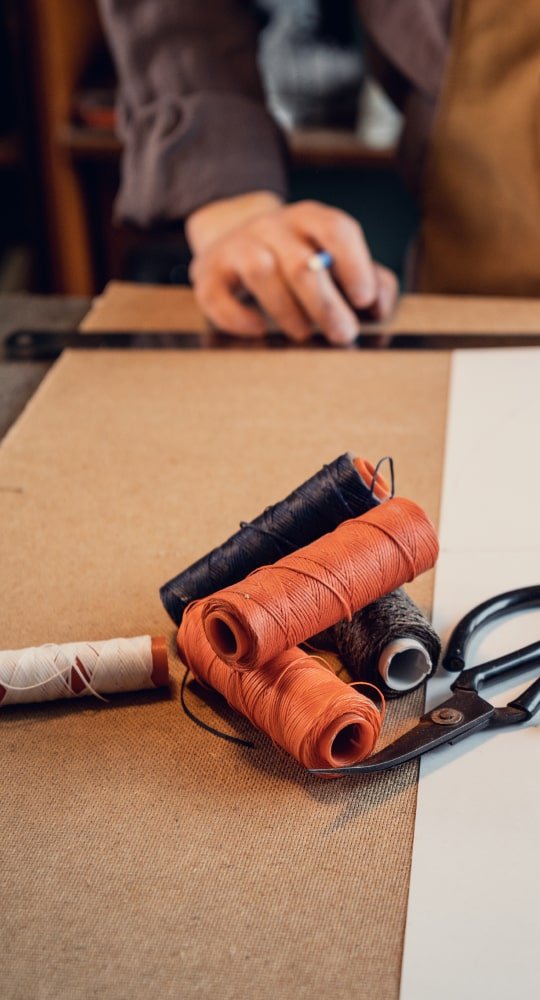
Threads are prepared and spun by hand and through traditional processes.

03       Preparing the Loom

Warp and yarn are carefully prepared for weaving.

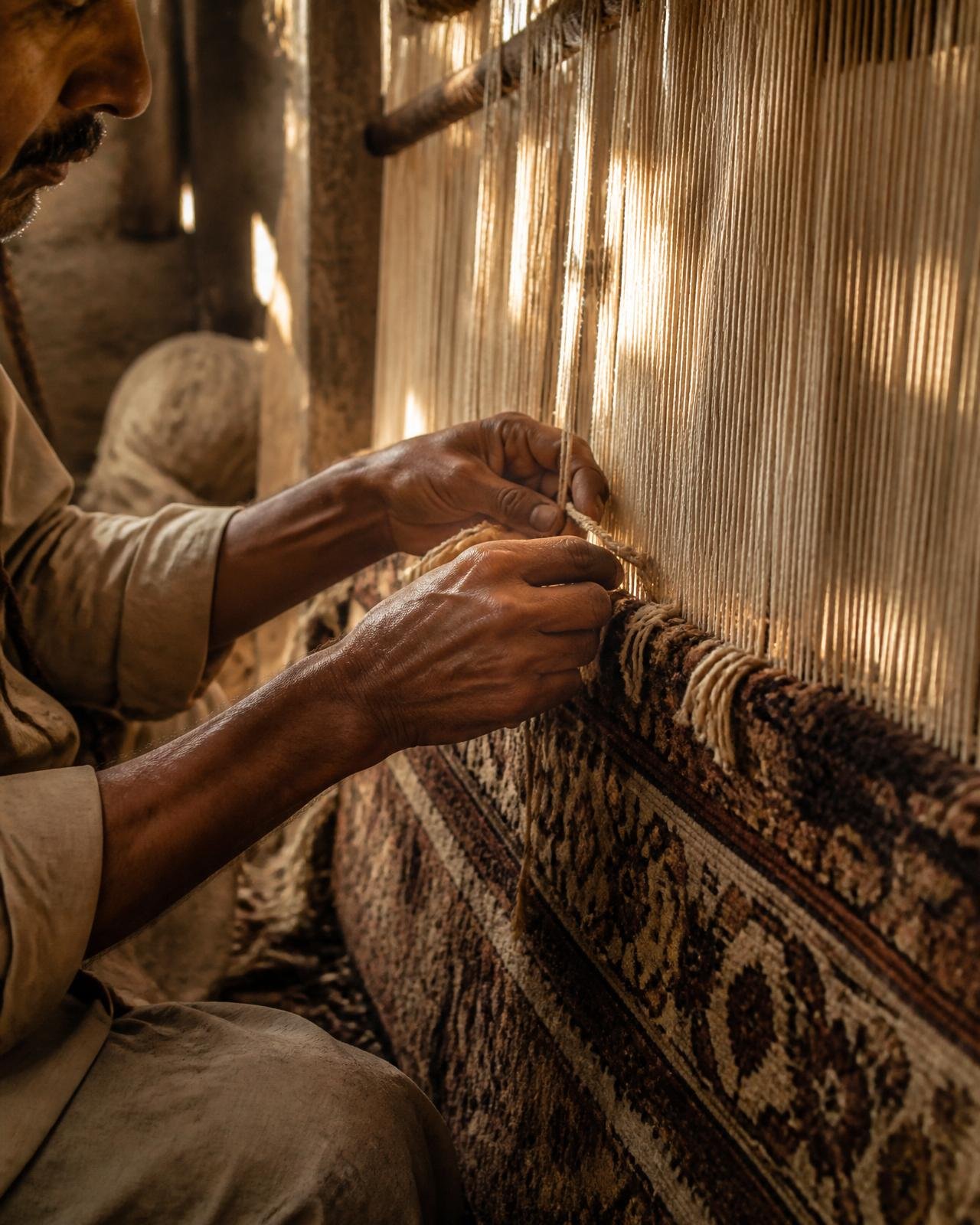
04       Weaving

Patterns and textures emerge through rhythm, skill and repetition.

05  Finishing

Edges, surfaces and details are carefully completed.

06   Inspection

Every piece is checked before it leaves our hands.

07     Ready for Your Collection

The finished product begins its journey to a global home décor business.

3840022f979d43a5d8f19127ea3a4ecb
A Living Tradition

Where Tradition Meets Today
Traditional craft does not belong only in the past.

It continues when skills are practiced, valued and given a place in today's homes.

The charkha, the loom and the handwoven process are part of a living craft tradition — adapted to contemporary colours, textures, designs and global interiors.

TRR brings these techniques into modern collections while respecting the human skill behind them.

Craft Is a Livelihood

When You Buy Handmade, You Help Keep Craft in Motion.

A handmade product represents more than the material you see.

It represents time. Skill. Experience.

And an ecosystem of people whose work keeps traditional craftsmanship alive.

When businesses choose handmade products, they create continued demand for skilled work. That demand helps craft remain economically relevant — not simply preserved as heritage, but practiced as a living profession.

TRR's goal is to build sustainable, long-term demand for handmade home décor while creating meaningful opportunities for the skilled people behind it.
What Your Purchase Supports

Your Order Has a Human Story Behind It.

Skilled Work

Your orders create continued demand for skilled handmade production.

Skill Development

Continued production allows craft knowledge and skills to be practiced and passed forward.

Craft Continuity

Regular demand gives traditional techniques a place in modern markets.

Dignity of Work

We believe craftsmanship should be valued as skilled work — not charity.

Livelihoods

A successful handmade business supports the ecosystem involved in making, finishing and preparing products.

Global Reach

Your business helps handmade Indian craftsmanship reach stores and design projects around the world.

The Collective Process

It Takes More Than One Pair of Hands.

A finished piece may pass through many skilled hands before it reaches you.

That is what makes handmade different.

Behind one rug may be a chain of knowledge, preparation, weaving, finishing and quality control.

We celebrate the collective craft ecosystem that makes every TRR collection possible.

Human Imperfection

The Beauty of Handmade

No two handmade pieces are perfectly identical. Small variations in texture, colour and weave are part of the character of the craft — evidence of human making, not manufacturing defects.

The TRR Philosophy

We Don't Just Sell Handmade. We Build Markets for It.

Our ambition is simple:

To create a place in the global home décor market for products made slowly, thoughtfully and by hand.

We work with skilled craft communities to develop products that meet contemporary design expectations while retaining the character of handmade production.

Because craft survives when people can build sustainable livelihoods around it.